·
6 min read
Exercising on Your Period: What Works and What Doesn't
Exercising on Your Period: What Works and What Doesn't
Should You Work Out on Your Period?
For many women, the idea of exercising during their period feels like the last thing they want to do. Cramps, fatigue, and mood swings can make it tempting to skip workouts altogether. But staying active during your period can actually help reduce symptoms and boost overall well-being. The key is to listen to your body and adjust your workouts based on how you feel. Some exercises can relieve cramps and improve energy levels, while others might be too intense during this time.
The Benefits of Exercising on Your Period
While it's okay to take a break when needed, gentle movement can have several benefits: reduces cramps and bloating through improved blood circulation and endorphins; boosts mood and reduces PMS symptoms by balancing hormones and releasing serotonin; maintains energy levels even with low-intensity workouts; and supports hormonal balance by regulating cortisol and estrogen levels for a smoother menstrual cycle.
Best Workouts for Your Period
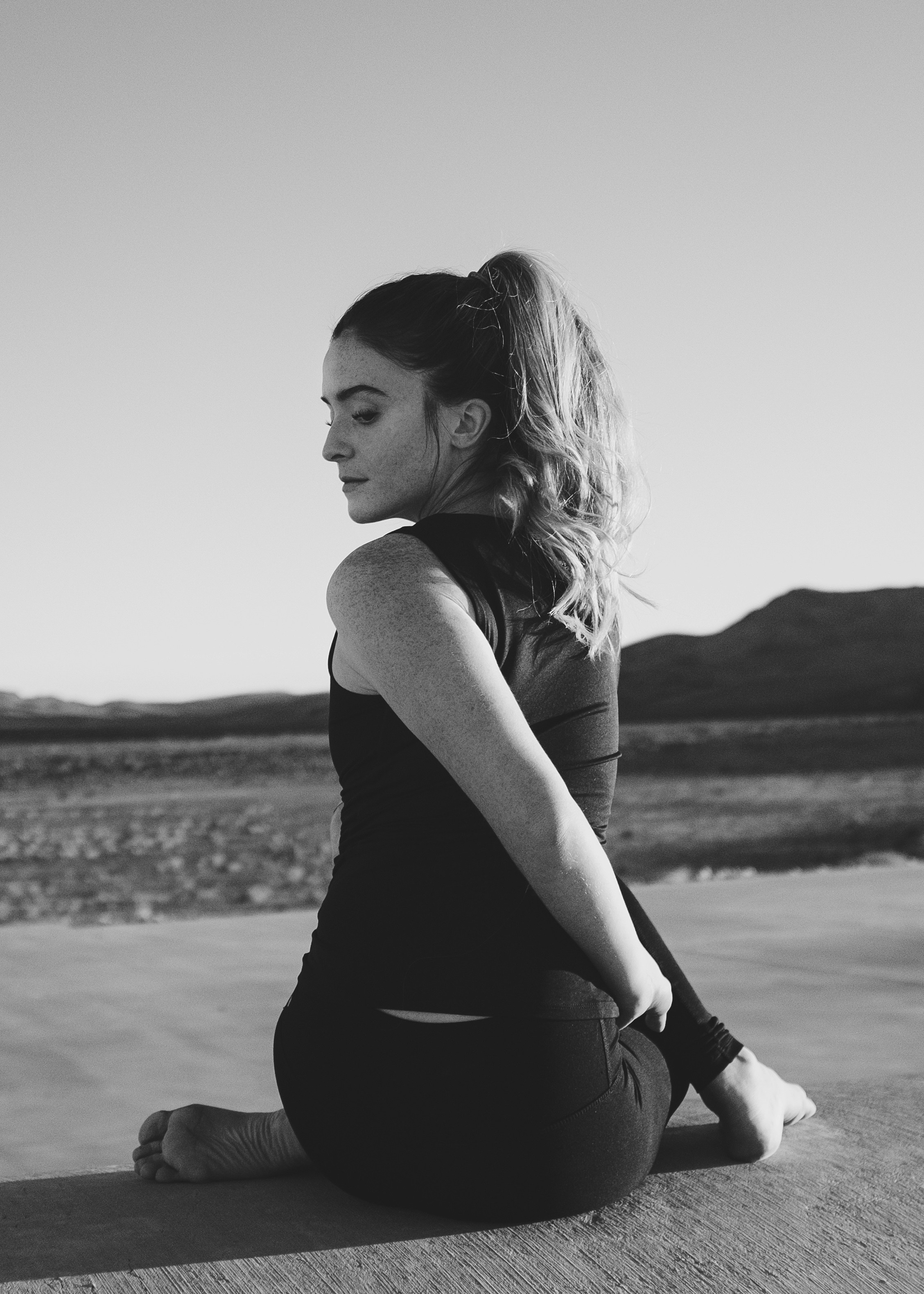
Your menstrual cycle is divided into phases, and adjusting your workouts accordingly can make a big difference. Menstrual Phase (Days 1-5): Focus on gentle movement - walking, yoga, stretching, light strength training. Follicular Phase (Days 6-14): Energy rises, great for moderate to intense workouts - strength training, cycling, Pilates, moderate cardio. Ovulation Phase (Days 15-17): Energy peaks, best for HIIT, running, heavy weight training, dance workouts. Luteal Phase (Days 18-28): Scale back with low-impact cardio, yoga, light resistance training.
Workouts to Avoid During Your Period
High-intensity workouts when fatigued: If you're feeling weak, skip HIIT and heavy lifting. Inverted yoga poses: Positions like headstands can disrupt natural blood flow. Overexertion: Pushing too hard can increase inflammation and stress on the body.
Nutrition and Hydration Tips
Stay hydrated with plenty of water to reduce bloating and fatigue. Eat magnesium-rich foods like dark chocolate, nuts, and leafy greens to ease cramps. Increase healthy fats with avocados and seeds to support hormonal balance. Boost iron intake with spinach and lentils to replenish lost nutrients.
Final Thoughts: Move with Kindness
Your period shouldn't stop you from staying active, but it's important to be flexible and choose workouts that support your body's needs. Some days you may feel strong, while others you might need extra rest, and that's okay. The goal is to stay consistent while being kind to yourself. So, lace up your shoes, take a deep breath, and move in a way that feels good for you.